Abstract
Objective: This study addresses a critical challenge in healthcare: the proven clinical efficacy of integrated exercise therapy and Tui Na contrasts sharply with its limited accessibility for the general population. To address this critical gap in healthcare accessibility, this study aims to theoretically construct and assess the feasibility of a novel “community-based boutique studio” operational framework. Methods: We constructed the operational model using the Business Model Canvas framework, integrating theories from sports-medicine integration and community economics. We then conducted a multi-dimensional feasibility assessment using PEST analysis to evaluate the macro-environment and SWOT analysis to assess the model's internal and external factors. This evaluation covered market, operational, financial, and policy dimensions. Results: The proposed “community-based boutique studio” model establishes a small-scale, community-embedded, and high-quality service system within a “15-minute living circle.” Its distinctive feature is dual-mode service provision system, combining standard in-clinic sessions with flexible home visits. The feasibility analysis confirms the model's strong potential, demonstrating advantages in: precise market positioning, clinical synergy from the integrated protocol, financial sustainability through a light-asset structure, and strong alignment with national policies like “Healthy China”. Key implementation strategies include: designing modular service packages, systematically training dual-competency professionals, and establishing comprehensive risk management protocols. Conclusion: The community-based boutique studio model is a viable and innovative solution that enhances the accessibility and long-term commercial sustainability of integrated exercise therapy and Tui Na services. The findings offer valuable insights for policymakers and entrepreneurs implementing the "Healthy China" strategy and provide a replicable framework for community-based health service innovation.
Keywords
Sports-Medicine Integration, Exercise Therapy, Tui Na, Community Health Services, Business Models, Feasibility Studies
1. Introduction
1.1. Current Global Context and the Research Problem
The global public health paradigm is shifting from disease treatment to health promotion
| [1] | Zhao, X.; Jiang, H.; Yin, J.; Liu, H.; Zhu, R.; Mei, S.; Zhu, C. Changing trends in clinical research literature on PubMed database from 1991 to 2020. Eur J Med Res 2022, 27, 95.
https://doi.org/10.1186/s40001-022-00717-9 |
[1]
. Within this transformative context, the integration of physical exercise and medical care, known as sports-medicine integration, has emerged as a critical strategy to address the rising prevalence of chronic diseases, population aging, and escalating public health demands
| [2] | Zi-ji Cheng, M.; Shuai-pan Zhang, M.; Yuan-jia Gu, M.; Zi-ying Chen, M.; Fang-fang Xie, M.; Chong Guan, M.; Min Fang, M.; Fei Yao, M. Effectiveness of Tuina Therapy Combined with Yijinjing Exercise in the Treatment of Nonspecific Chronic Neck Pain-- A Randomized Clinical Trial. JAMA Network Open 2022, 5, e2246538.
https://doi.org/10.1001/jamanetworkopen.2022.46538 |
[2]
. Exercise therapy, a key component of modern rehabilitation medicine, offers precise assessment and active intervention for musculoskeletal dysfunctions
| [3] | Yang, D.; Yang, Y.; Li, Y.; Han, R. Physical Exercise as Therapy for Type 2 Diabetes Mellitus: From Mechanism to Orientation. Ann Nutr Metab 2019, 74, 313-321.
https://doi.org/10.1159/000500110 |
[3]
. Conversely, Traditional Chinese Medicine (TCM) massage (Tui Na), with its holistic philosophy and syndrome differentiation, provides unique advantages in managing pain and regulating physiological function through unblocking meridians and harmonizing Qi and blood
| [4] | Cabanas-Valdés, R.; Calvo-Sanz, J.; Serra-Llobet, P.; Alcoba-Kait, J.; González-Rueda, V.; Rodríguez-Rubio, P. R. The Effectiveness of Massage Therapy for Improving Sequelae in Post-Stroke Survivors. A Systematic Review and Meta-Analysis. International Journal of Environmental Research and Public Health 2021, 18, 4424.
https://doi.org/10.3390/ijerph18094424 |
[4]
. Clinical evidence suggests a synergistic effect: Tui Na prepares the soft tissues and neuromuscular system for exercise, while exercise therapy consolidates and enhances the long-term benefits of manual techniques, forming a closed-loop intervention strategy: "Release-Activate-Strengthen-Stabilize."
Despite this promising synergy, its translation into viable service models remains unclear. Current models, predominantly located in large hospital rehabilitation departments, high-end private clinics, or specialized sports centers, are often hampered by high operational costs and limited geographical accessibility. This effectively excludes key demographics—such as individuals with sub-optimal health, chronic pain sufferers, and sports enthusiasts—thereby restricting the widespread adoption and equitable reach of this integrated approach. Consequently, developing new service models that can efficiently and precisely target these populations has become a pressing issue in sports science, rehabilitation medicine, and health management.
1.2. The Research Gap and This Study's Aim
The academic discourse has disproportionately focused on validating the biological mechanisms and efficacy of this integration, while largely neglecting the development of sustainable business models
| [5] | Lijuan, W.; Chengyang, J.; Yan, H. Therapeutic observation of treating adolescent scoliosis with acupuncture-moxibustion and tuina plus rehabilitation exercise. Shanghai Journal of Acupuncture and Moxibustion 2024, 43, 1190-1195.
https://doi.org/10.13460/j.issn.1005-0957.2024.11.1190 |
[5]
. This "technology-over-model" bias has created a misalignment between advanced clinical techniques and their high-cost, centralized delivery. While large institutions grapple with high fixed costs and poor accessibility, traditional massage parlors lack the scientific assessment and training protocols necessary for functional recovery. This study, therefore, addresses the core research question: How can a feasible business model be designed to integrate exercise therapy and Tui Na within community settings, while theoretically addressing the trade-offs between quality, cost, and accessibility?
To answer this, we propose and evaluate the feasibility of a "Community-Based Boutique Studio" model. Characterized by its small scale, community embedding, and high-quality service, the model aims to unify technological integration with commercial sustainability through low operational costs and highly personalized care. This research will delineate the model's value proposition, core processes, client relationships, and financial structure, assessing its feasibility from market, technical, financial, and policy perspectives. The findings are intended to fill a critical gap in the business model literature on sports-medicine integration and provide a practical reference for advancing the "Healthy China" strategy.
2. Literature Review and Theoretical Foundation
2.1. Current Status of Sports-Medicine Integration Theory and Practice
As a core component of the "Healthy China" strategy, sports-medicine integration has evolved from policy advocacy to deepening practice. Its essence lies in fostering collaboration between physical activity and healthcare to establish a full-cycle health service system
| [6] | He, Y. Analysis on the cognition and influencing factors of Taiyuan residents on sports rehabilitation under the background of "integration of sports and medicine". Master Type, Shanxi Medical University, 2020. |
[6]
. Internationally, mature frameworks like Germany's Medical Training Therapy (MTT) and the U.S. multidisciplinary rehabilitation model have established integrated "assessment-training-monitoring" protocols that dovetail with their respective health insurance systems
| [6] | He, Y. Analysis on the cognition and influencing factors of Taiyuan residents on sports rehabilitation under the background of "integration of sports and medicine". Master Type, Shanxi Medical University, 2020. |
[6]
. In contrast, sports-medicine integration in China remains predominantly policy-driven, with significant challenges in the equity of resource allocation
| [7] | Zhang M; Huan, W. The Exploration and Practice of Sports Rehabilitation Students Carrying out the Entrepreneurial Training Programs ——Taking Hongdao Sports Rehabilitation Studio as an Example. Journal of Jinzhou Medical University (Social Science Edition). 2023, 21, 66-68.
https://doi.org/10.13847/j.cnki.lnmu(sse).2023.01.007 |
[7]
.
Existing research primarily concentrates on three areas: policy and system development, intervention effectiveness for specific populations, and public awareness and accessibility. He (2020) notes that while public awareness of exercise rehabilitation is high (80.7%), community-based resources are severely lacking, with only 19.8% of communities staffed with professional rehabilitation personnel
| [6] | He, Y. Analysis on the cognition and influencing factors of Taiyuan residents on sports rehabilitation under the background of "integration of sports and medicine". Master Type, Shanxi Medical University, 2020. |
[6]
. Crucially, most studies focus on hospital or specialized institutional models, creating a significant research gap regarding community-based, light-asset operational models, particularly the systematic exploration of commercial pathways for integrating exercise therapy and Tui Na
| [8] | Sun, J.; Zhang, Y.; Liu, Z.; Zhang, H.; Liu, J.; Xu, Y.; Na, R.; Zhang, H.; Yan, J.; Yu, T. Chinese massage therapy (Tuina) inhibits motor neuron apoptosis in rats with sciatic nerve injury by regulating the cPLA2 and RhoA/ROCK2 signaling pathways. Front Neurol 2025, 16, 1622602.
https://doi.org/10.3389/fneur.2025.1622602 |
| [9] | Wu, Y.; Ding, L.; Zhang, Q.; Dong, Y.; Tao, C.; Li, Z.; Li, Z.; Lu, L. The effect of physical exercise therapy on autism spectrum disorder: a systematic review and meta-analysis. Psychiat Res 2024, 339, 116074.
https://doi.org/10.1016/j.psychres.2024.116074 |
[8, 9]
.
2.2. Synergistic Mechanisms of Exercise Therapy and Tui Na
The integration of exercise therapy and Tui Na represents a synergy between modern sports science and traditional external treatments, with complementary mechanisms operating at three levels:
Physiological Synergy: Tui Na prepares soft tissues and improves circulation for subsequent exercise interventions, while exercise therapy consolidates therapeutic gains and prevents recurrence
. For instance, Pang (2013) reported a 100% total efficacy rate in treating knee joint adhesions using Tui Na combined with rehabilitation training.
Functional Complementarity: Tui Na emphasizes "syndrome differentiation and treatment," whereas exercise therapy focuses on "functional remodeling." Their combination addresses both symptoms and root causes
| [11] | Li, A. When Tuina Meets Sports Rehabilitation. Gansu Science and Technology News p 8. |
[11]
. Chen (2020) demonstrated that Tui Na combined with table tennis exercise was significantly more effective in treating pseudomyopia than either intervention alone
| [12] | Chen, X. Table tennis sports combined massage on the rehabilitation of juvenile pseudomyopia. Master Type, Liaocheng University, 2020. |
[12]
.
Application Scope: This integrated approach has been successfully applied in post-surgical joint rehabilitation, scoliosis, and pseudomyopia, demonstrating a favorable safety profile
.
However, the current research landscape is predominantly confined to efficacy validation. There is a notable lack of in-depth investigation into standardized service integration, quality control protocols, and, most importantly, the operational adaptation of this model to specific service settings like communities.
2.3. Business Model Innovation in Healthcare Services
Innovation in health service business models revolves around value-based care, redefining service delivery and revenue logic. International models, such as Germany's tiered rehabilitation and community referral system and U.S.-based specialized studios with insurance partnerships, offer valuable insights
| [6] | He, Y. Analysis on the cognition and influencing factors of Taiyuan residents on sports rehabilitation under the background of "integration of sports and medicine". Master Type, Shanxi Medical University, 2020. |
[6]
. Domestic practices in China can be categorized into three types:
Boutique Studios: Characterized by high personalization, they target athletes and white-collar professionals but face challenges with premium pricing and service standardization
.
Online-to-Offline (O2O) Models: These leverage digital tools to enhance accessibility and patient adherence
| [7] | Zhang M; Huan, W. The Exploration and Practice of Sports Rehabilitation Students Carrying out the Entrepreneurial Training Programs ——Taking Hongdao Sports Rehabilitation Studio as an Example. Journal of Jinzhou Medical University (Social Science Edition). 2023, 21, 66-68.
https://doi.org/10.13847/j.cnki.lnmu(sse).2023.01.007 |
| [11] | Li, A. When Tuina Meets Sports Rehabilitation. Gansu Science and Technology News p 8. |
[7, 11]
.
Community-Embedded Services: These utilize the "15-minute living circle" concept to decentralize care
| [6] | He, Y. Analysis on the cognition and influencing factors of Taiyuan residents on sports rehabilitation under the background of "integration of sports and medicine". Master Type, Shanxi Medical University, 2020. |
[6]
. Despite strong consumer demand (75.4% of residents recognize the need), supply is inadequate, with only 40% of communities offering such services.
Despite these explorations, a systematic business model framework for delivering integrated exercise therapy and Tui Na within community settings remains underdeveloped.
2.4. Community Economics and the "15-Minute Living Circle" Theory
Community economics posits that local services should be highly accessible, convenient, and inclusive. The "15-minute living circle" theory extends this, advocating that essential services, including healthcare, be within a 15-minute walk. Studies indicate substantial latent demand for rehabilitation in communities (e.g., among the elderly, office workers, and fitness enthusiasts) and that community-based settings can reduce operational and customer acquisition costs
| [7] | Zhang M; Huan, W. The Exploration and Practice of Sports Rehabilitation Students Carrying out the Entrepreneurial Training Programs ——Taking Hongdao Sports Rehabilitation Studio as an Example. Journal of Jinzhou Medical University (Social Science Edition). 2023, 21, 66-68.
https://doi.org/10.13847/j.cnki.lnmu(sse).2023.01.007 |
| [9] | Wu, Y.; Ding, L.; Zhang, Q.; Dong, Y.; Tao, C.; Li, Z.; Li, Z.; Lu, L. The effect of physical exercise therapy on autism spectrum disorder: a systematic review and meta-analysis. Psychiat Res 2024, 339, 116074.
https://doi.org/10.1016/j.psychres.2024.116074 |
[7, 9]
. Nevertheless, applying this theory to rehabilitation services is nascent, with a clear gap in processes and staffing models for delivering continuous, professional care in these contexts.
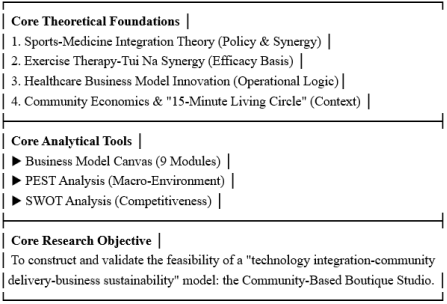
Figure 1. Theoretical Framework for Constructing and Assessing the Feasibility of the Community-Based Boutique Studio Model.
2.5. Integrated Theoretical Framework
This study synthesizes theories of sports-medicine integration, exercise therapy-Tui Na synergy, business model innovation, and community economics to construct an analytical framework centered on the Business Model Canvas (
Figure 1), supplemented by PEST and SWOT analyses.
This framework is predicated on technological integration, uses the community as its delivery vehicle, and is driven by a sustainable business model, aiming to unify technical efficacy, accessibility, and commercial viability. The analysis addresses all nine canvas components: value propositions, key resources, key activities, customer relationships, channels, revenue streams, cost structure, key partnerships, and customer segments. A PEST analysis evaluates the macro-environment (Political, Economic, Social, Technological), while a SWOT analysis identifies the model's internal Strengths and Weaknesses and external Opportunities and Threats, providing a comprehensive basis for feasibility assessment and strategic optimization.
3. Model Construction: The Community-Based Boutique Studio
3.1. Value Proposition: An Integrated Solution Focused on Proximity, Efficacy, and Personalization
The core value proposition of the Community-Based Boutique Studio is to deliver nearby, convenient, efficient, and highly personalized health solutions by integrating the synergistic effects of exercise therapy and Tui Na, leveraging the high accessibility of community settings. This model is designed to bridge a critical market gap: it mitigates the accessibility barriers of large rehabilitation institutions (caused by location and cost) while overcoming the functional recovery limitations of traditional massage parlors (due to their technically narrow focus).
The integration is grounded in complementary mechanisms: Tui Na improves local tissue state and prepares the body by "promoting the release of meridians and regulating Qi and blood," while exercise therapy focuses on "functional remodeling and stabilization." Their combination creates a synergistic effect (i.e., 1+1>2), with multiple clinical studies confirming its superiority over single-modality therapies in functional improvement and pain relief
| [4] | Cabanas-Valdés, R.; Calvo-Sanz, J.; Serra-Llobet, P.; Alcoba-Kait, J.; González-Rueda, V.; Rodríguez-Rubio, P. R. The Effectiveness of Massage Therapy for Improving Sequelae in Post-Stroke Survivors. A Systematic Review and Meta-Analysis. International Journal of Environmental Research and Public Health 2021, 18, 4424.
https://doi.org/10.3390/ijerph18094424 |
| [6] | He, Y. Analysis on the cognition and influencing factors of Taiyuan residents on sports rehabilitation under the background of "integration of sports and medicine". Master Type, Shanxi Medical University, 2020. |
[4, 6]
.
"Proximity-based service" is crucial for meeting residents' needs for continuous care. Surveys indicate a strong preference for professional services within one's community
| [6] | He, Y. Analysis on the cognition and influencing factors of Taiyuan residents on sports rehabilitation under the background of "integration of sports and medicine". Master Type, Shanxi Medical University, 2020. |
| [15] | Yang, M.; Feng, Y.; Pei, H.; Deng, S.; Wang, M.; Xiao, X.; Zheng, H.; Lai, Z.; Chen, J.; Li, X.; et al. Effectiveness of Chinese massage therapy (Tui Na) for chronic low back pain: study protocol for a randomized controlled trial. Trials 2014, 15, 418. https://doi.org/10.1186/1745-6215-15-418 |
| [16] | Wu, Z.; Kong, L.; Zhu, Q.; Song, P.; Fang, M.; Sun, W.; Zhang, H.; Cheng, Y.; Xu, S.; Guo, G.; et al. Efficacy of tuina in patients with chronic neck pain: study protocol for a randomized controlled trial. Trials 2019, 20, 59.
https://doi.org/10.1186/s13063-018-3096-3 |
[6, 15, 16]
. Located within a "15-minute living circle," the studio effectively solves the problem of treatment interruption due to transportation barriers or mobility issues, making it particularly suitable for individuals with sports injuries, office workers with chronic pain, and adolescents with postural abnormalities. High-frequency, convenient access significantly enhances treatment adherence and outcomes.
Innovatively, the model incorporates professional home-visit services to precisely serve two key demographics:
Mobility-limited individuals (e.g., the frail elderly, early post-operative patients, persons with disabilities), for whom travel difficulties conflict sharply with rehabilitation needs.
Time-constrained white-collar professionals, whose busy schedules preclude regular clinic visits despite urgent health issues.
He (2020) reports that over 75% of elderly chronic pain patients discontinue rehabilitation due to travel difficulties—a pain point directly addressed by home services
| [6] | He, Y. Analysis on the cognition and influencing factors of Taiyuan residents on sports rehabilitation under the background of "integration of sports and medicine". Master Type, Shanxi Medical University, 2020. |
[6]
.
Furthermore, the studio fosters a "Health Steward" relationship, aiming for integrated "prevention-treatment-maintenance" management. Unlike one-off transactions, it creates a long-term, dynamic health profile for each client, blending TCM syndrome differentiation with modern functional assessments (e.g., FMS). Through regular monitoring and personalized plans, it extends into proactive prevention, thereby enhancing client reliance and service retention.
3.2. Core Resources and Business Processes: Building a Service Loop with Talent, Products, and Process
3.2.1. Key Resources: A Light-Asset Model and Core Competencies
The studio operates on a "low-investment, high-adaptability" principle, avoiding the pitfalls of heavy assets. Its core resources are:
Dual-competency Professionals: Following a "manager-chief technician" model, staff must be proficient in both Tui Na and exercise therapy. For instance, scoliosis intervention requires initial Tui Na for relaxation (e.g., kneading the Shenshu and Mingmen points) followed by rehabilitative exercise—a synergy unattainable with single skills
| [5] | Lijuan, W.; Chengyang, J.; Yan, H. Therapeutic observation of treating adolescent scoliosis with acupuncture-moxibustion and tuina plus rehabilitation exercise. Shanghai Journal of Acupuncture and Moxibustion 2024, 43, 1190-1195.
https://doi.org/10.13460/j.issn.1005-0957.2024.11.1190 |
[5]
. Zhang & Wang (2023) stress that "dual-ability" talent cultivated via university-industry partnerships balances quality and cost-control. Practitioners must master core techniques like abdominal vibration, acupressure, and joint mobility/strength training
| [3] | Yang, D.; Yang, Y.; Li, Y.; Han, R. Physical Exercise as Therapy for Type 2 Diabetes Mellitus: From Mechanism to Orientation. Ann Nutr Metab 2019, 74, 313-321.
https://doi.org/10.1159/000500110 |
| [4] | Cabanas-Valdés, R.; Calvo-Sanz, J.; Serra-Llobet, P.; Alcoba-Kait, J.; González-Rueda, V.; Rodríguez-Rubio, P. R. The Effectiveness of Massage Therapy for Improving Sequelae in Post-Stroke Survivors. A Systematic Review and Meta-Analysis. International Journal of Environmental Research and Public Health 2021, 18, 4424.
https://doi.org/10.3390/ijerph18094424 |
| [7] | Zhang M; Huan, W. The Exploration and Practice of Sports Rehabilitation Students Carrying out the Entrepreneurial Training Programs ——Taking Hongdao Sports Rehabilitation Studio as an Example. Journal of Jinzhou Medical University (Social Science Edition). 2023, 21, 66-68.
https://doi.org/10.13847/j.cnki.lnmu(sse).2023.01.007 |
| [10] | Pang X. Massage,Fumigation Joint Exercise Rehabilitation Knee Adhesion 29 Cases. Journal of Practical Traditional Chinese Internal Medicine 2013, 27, 48-50.
https://doi.org/10.3969/j.issn.167-7813-2013-04(x).23 |
| [13] | Fang, S.; Zhehui, P. Effect of Ankle Pump Exercise Combined with Massage on the Rehabilitation Process of Patients with Ankle Fracture. China Continuing Medical Education 2020, 12, 171-172. https://doi.org/10.3969/j.issn.1674-9308.2020.19.071 |
[3, 4, 7, 10, 13]
.
Standardized Service Packages: Evidence-based, replicable protocols with minimal variation. Examples include:
Acute Injury Recovery Package: Integrates ankle pump exercises with acupressure, specifying phases, duration, techniques, and dosage.
Chronic Pain Management Package: Combines abdominal vibration, Tui Na, and exercise in a standardized 10-session protocol.
Adolescent Postural Health Package: Merges exercise prescriptions with upper back Tui Na, supplemented by home guidance manuals. These packages allow for individualized adjustments within a standardized framework.
Community Venues & Digital Tools: Studios (50–80 m²) are located in street-front or shared community spaces, drastically reducing rent versus commercial locations. Operations utilize "WeChat groups + mini-programs" for online guidance, booking, and records, cutting customer acquisition costs by 30% and boosting efficiency.
3.2.2. Business Processes: A Full-Chain "Assess-Deliver-Follow-Optimize" Service
The studio emphasizes continuous, client-centered care through a defined process:
Intake and Integrated Assessment: Initial consultation combines TCM syndrome differentiation and modern functional assessment (e.g., FMS, muscle testing) to create a constitution-and-function profile.
Collaborative Planning: Client and practitioner co-design a combined Tui Na/exercise therapy plan, establishing goals, timeline, and content, followed by informed consent.
One-on-One Execution: Standardized delivery of Tui Na and rehabilitative exercise, with dynamic intensity adjustment and feedback recording (e.g., VAS scores) for safety and comfort.
In-Clinic Service: Full protocol in a controlled environment.
Home-Visit Service: Core interventions at home, prioritizing safe, controllable techniques.
Home Guidance & Follow-up: Personalized exercise recommendations via digital tools; completion tracking and profile updates through WeChat groups.
Outcome Evaluation & Optimization: Post-cycle reassessment guides plan adjustments if goals are unmet, or transition to a maintenance phase if achieved.
3.3. Customer Relationships & Channels: High Retention via Membership and O2O
3.3.1. Customer Relationships: A "Health Steward" Membership System
A tiered membership model fosters long-term relationships and enhances customer lifetime value. Premium tiers offer periodic home visits, a dedicated steward, discounts, and booking priority. The "Health Steward" provides regular follow-ups, dynamic plan updates, and emergency advice, building the trust and continuity vital in community settings.
Refined community management—using segmented WeChat groups, themed workshops, and educational content—boosts engagement and stickiness, reducing acquisition costs through word-of-mouth.
3.3.2. Channels: "Offline Community Store as Hub, Online Multi-Channel Drainage"
The physical community store is the core offline channel, fostering trust via embedded marketing (e.g., health talks with property managers, cross-promotions with gyms). Online channels (community platforms, local service apps, vertical APPs) are used for targeted outreach and branding, emphasizing neighborhood accessibility to drive offline conversions.
3.4. Revenue & Cost Structure: Sustainability via Light Assets and Diversified Revenue
3.4.1. Revenue Streams: Core and Value-Added Services
Core Service Revenue: Pay-per-session and package fees (primary income).
Home-Visit Fees: Value-added service, priced above in-clinic rates to cover extra costs.
Membership Fees: Pre-paid model ensuring stable cash flow.
Value-Added Service Revenue: Themed workshops and subscription-based home guidance.
Product Sales: Ancillary income from training tools (minor share, extends service).
3.4.2. Cost Structure: Rigorous Control of Key Items
Rent: Minimized via community locations and space-sharing.
Labor: Controlled via "base salary + performance bonus + equity" model.
Marketing: Primarily low-cost community/relationship-based; traditional advertising minimized.
Other Ops Costs: Depreciation, supplies—relatively low and manageable.
4. Feasibility Analysis of the Community-Based Boutique Studio Model
4.1. Market Feasibility: Clear Demand and Distinct Competitive Advantages
The Community-Based Boutique Studio accurately targets community-dwelling individuals with defined rehabilitation and health management needs. Literature identifies three primary customer segments:
Individuals with Functional Limitations: Those requiring recovery from sports injuries or post-surgery, whose need for high-frequency intervention aligns perfectly with community-based proximity.
Sedentary Office Workers and the Sub-Healthy Population: This group commonly experiences neck, shoulder, back, and leg discomfort, creating a substantial supply-demand gap within communities.
Youth with Postural and Health Concerns: For issues like pseudomyopia, the integrated approach enjoys high acceptance, and the community model ensures intervention continuity
| [6] | He, Y. Analysis on the cognition and influencing factors of Taiyuan residents on sports rehabilitation under the background of "integration of sports and medicine". Master Type, Shanxi Medical University, 2020. |
| [17] | Ma, S.; Zhang, L.; Man, S.; Bian, T.; Li, H.; Li, W.; Ma, Z.; He, D. Patient-reported adherence to physical exercises of patients with ankylosing spondylitis. Clin Rheumatol 2022, 41, 2423-2429. https://doi.org/10.1007/s10067-022-06189-w |
[6, 17]
.
Regarding payment capacity and willingness, market research indicates good acceptance of professional rehabilitation services priced in the hundreds of RMB range, with most potential customers acknowledging their necessity. A membership and prepayment system can further lower the decision barrier, enhancing retention rates and long-term consumption.
Competitive analysis reveals a clear differentiated advantage through the "in-clinic + home-visit" dual-mode service. Compared to traditional massage parlors, the studio's integrated technology and professional assessments address underlying dysfunctions. Versus large hospital rehabilitation departments, it offers superior convenience and deeply personalized care. And unlike fitness centers, it specifically targets the rehabilitation and health management niche. These combined strengths create a unique value proposition and a defensible competitive moat in the target market.
4.2. Technical and Operational Feasibility: Mature Integration and Clear Processes
The maturity and safety of the integrated approach are well-supported by research. The synergy between Tui Na's techniques for releasing meridians and regulating Qi and blood, and the functional training of exercise therapy, has been documented
| [4] | Cabanas-Valdés, R.; Calvo-Sanz, J.; Serra-Llobet, P.; Alcoba-Kait, J.; González-Rueda, V.; Rodríguez-Rubio, P. R. The Effectiveness of Massage Therapy for Improving Sequelae in Post-Stroke Survivors. A Systematic Review and Meta-Analysis. International Journal of Environmental Research and Public Health 2021, 18, 4424.
https://doi.org/10.3390/ijerph18094424 |
| [5] | Lijuan, W.; Chengyang, J.; Yan, H. Therapeutic observation of treating adolescent scoliosis with acupuncture-moxibustion and tuina plus rehabilitation exercise. Shanghai Journal of Acupuncture and Moxibustion 2024, 43, 1190-1195.
https://doi.org/10.13460/j.issn.1005-0957.2024.11.1190 |
[4, 5]
. Interventions follow established protocols and phased principles, ensuring safety.
Although the current pool of dual-competency professionals is limited, a systematic supply can be cultivated through university-industry partnerships, combining theoretical training, practical assessment, and mentorship
. An incentive structure ("base salary + performance bonus + partnership dividends") dynamically links labor costs to business performance.
The business process is designed to balance standardization with personalization, forming an executable service loop:
Integrated Assessment: Combines TCM constitution identification with modern functional screening (e.g., FMS).
Collaborative Planning: Formulates personalized intervention plans based on the assessment.
One-on-One Execution: Delivers services per protocol with dynamic adjustments.
Continuous Follow-up & Optimization: Utilizes online tools for dynamic management and plan refinement.
This process ensures service replicability and quality consistency, underpinning the model's scalability.
4.3. Financial Feasibility: A Light-Asset Model with Sound Profitability
The cost structure embodies a "light-asset" philosophy: community locations drastically reduce rent; staffing (2-3 people per studio) with performance-linked pay controls personnel costs; and other operational expenses (e.g., equipment depreciation, community marketing) are low and manageable. The initial investment and monthly operating costs for a single studio fall within the acceptable range for small-to-medium investors.
Revenue streams are diversified and structurally sound: core services (single sessions and packages) provide the primary cash flow; membership fees ensure stable prepaid revenue; and value-added services (workshops, online guidance) expand income sources.
Under reasonable assumptions for customer traffic and service conversion rates, monthly revenue can cover costs and generate considerable net profit. Key financial metrics, including the break-even point and investment payback period, are robust. A high customer lifetime value (LTV) relative to customer acquisition cost (CAC) indicates efficient value conversion and strong investment appeal.
4.4. Social and Policy Feasibility: Alignment with Societal Needs and Policy Direction
The model offers significant social value by addressing over 60% of post-operative rehabilitation and sub-health management needs, effectively reducing the burden on large hospitals. Its expansion would create numerous jobs for dual-competency professionals and, through industry-academia collaboration, improve graduate employment outcomes
| [14] | Lu, K.; Hao, Z. Research on the Development Trends and Issues of the Sports Rehabilitation Industry in Beijing ——— Taking Sports Rehabilitation Studios as an Example. Sport World (Scholarly) 2017, 29-30.
https://doi.org/10.16730/j.cnki.61-1019/g8.2017.01.015 |
| [16] | Wu, Z.; Kong, L.; Zhu, Q.; Song, P.; Fang, M.; Sun, W.; Zhang, H.; Cheng, Y.; Xu, S.; Guo, G.; et al. Efficacy of tuina in patients with chronic neck pain: study protocol for a randomized controlled trial. Trials 2019, 20, 59.
https://doi.org/10.1186/s13063-018-3096-3 |
[14, 16]
. The integrated "prevention-treatment-maintenance" approach contributes to elevating community-wide health levels.
At the policy level, the model is highly aligned with national directives on "sports-medicine integration" and "community health services." Supportive policies at both national and local levels—such as rental subsidies for community service organizations, entrepreneurship training, and financial support—provide a solid foundation for implementation. Its "light-asset, low-risk" nature is congruent with current policy priorities of stabilizing employment and safeguarding livelihoods
.
5. Challenges and Countermeasures for the Community-Based Boutique Studio Model
5.1. Shortage of Cross-Disciplinary Professionals
The core service delivery of the Community-Based Boutique Studio relies on practitioners skilled in both exercise therapy and Tui Na. However, a severe market shortage exists. He (2020) identifies a "talent scarcity" in China's exercise rehabilitation sector, with fewer than 10% of professionals proficient in both disciplines, failing to meet the operational requirement for integrated, full-process care
| [6] | He, Y. Analysis on the cognition and influencing factors of Taiyuan residents on sports rehabilitation under the background of "integration of sports and medicine". Master Type, Shanxi Medical University, 2020. |
[6]
.
A competency gap persists: university graduates in exercise therapy often lack systematic Tui Na training, while traditional Tui Na practitioners typically lack a deep understanding of exercise rehabilitation principles. This hinders the seamless "release-rehabilitation" workflow. For instance, effectively implementing the "ankle pump exercises combined with acupressure" protocol requires simultaneous mastery of rehabilitation intensity control and precise acupoint technique (e.g., at the Shenmai and Kunlun points), which is challenging for single-skilled practitioners
| [1] | Zhao, X.; Jiang, H.; Yin, J.; Liu, H.; Zhu, R.; Mei, S.; Zhu, C. Changing trends in clinical research literature on PubMed database from 1991 to 2020. Eur J Med Res 2022, 27, 95.
https://doi.org/10.1186/s40001-022-00717-9 |
| [13] | Fang, S.; Zhehui, P. Effect of Ankle Pump Exercise Combined with Massage on the Rehabilitation Process of Patients with Ankle Fracture. China Continuing Medical Education 2020, 12, 171-172. https://doi.org/10.3969/j.issn.1674-9308.2020.19.071 |
[1, 13]
.
Countermeasures:
Foster University-Industry Partnerships for Targeted Training: Collaborate with relevant university departments to integrate evidence-based protocols (e.g., Pang's (2013) knee adhesion rehabilitation; Shen & Peng's (2020) ankle Tui Na) into curricula, creating a dual-track "theory + clinical practice" training model.
Enhance Internal Mentorship: Implement a structured apprenticeship where senior technicians mentor new hires, focusing on practical nuances and personalized adjustments to reduce the time to independent practice to 2-3 months.
Establish a Standardized Competency Certification: Develop a certification system based on established protocols, assessing both Tui Na proficiency (e.g., acupoint location, pressure) and rehabilitation skills (e.g., FMS assessment, exercise prescription) to ensure consistent service quality.
5.2. Balancing Standardization and Personalization
The model must achieve service replicability for scalability while addressing individual client needs. Standardization, as seen in Pang's (2013) 6-session (3-month) knee protocol, ensures consistent, effective output and quality control
| [10] | Pang X. Massage,Fumigation Joint Exercise Rehabilitation Knee Adhesion 29 Cases. Journal of Practical Traditional Chinese Internal Medicine 2013, 27, 48-50.
https://doi.org/10.3969/j.issn.167-7813-2013-04(x).23 |
| [12] | Chen, X. Table tennis sports combined massage on the rehabilitation of juvenile pseudomyopia. Master Type, Liaocheng University, 2020. |
| [15] | Yang, M.; Feng, Y.; Pei, H.; Deng, S.; Wang, M.; Xiao, X.; Zheng, H.; Lai, Z.; Chen, J.; Li, X.; et al. Effectiveness of Chinese massage therapy (Tui Na) for chronic low back pain: study protocol for a randomized controlled trial. Trials 2014, 15, 418. https://doi.org/10.1186/1745-6215-15-418 |
[10, 12, 15]
.
However, significant variations in client etiology, constitution, and tolerance pose a challenge. Over-standardization risks client-protocol mismatch, while excessive customization increases operational complexity and cost.
Countermeasures:
Develop a Modular Service Architecture: Deconstruct services into standardized base modules and flexible personalized modules, allowing clients to combine elements based on their specific needs (drawing on protocols from Li, 2025; Chen, 2020
| [11] | Li, A. When Tuina Meets Sports Rehabilitation. Gansu Science and Technology News p 8. |
| [12] | Chen, X. Table tennis sports combined massage on the rehabilitation of juvenile pseudomyopia. Master Type, Liaocheng University, 2020. |
[11, 12]
).
Implement a Dynamic Adjustment Mechanism: Adopt a cycle-based review process (e.g., post-session re-evaluation as in Pang (2013)
| [4] | Cabanas-Valdés, R.; Calvo-Sanz, J.; Serra-Llobet, P.; Alcoba-Kait, J.; González-Rueda, V.; Rodríguez-Rubio, P. R. The Effectiveness of Massage Therapy for Improving Sequelae in Post-Stroke Survivors. A Systematic Review and Meta-Analysis. International Journal of Environmental Research and Public Health 2021, 18, 4424.
https://doi.org/10.3390/ijerph18094424 |
| [10] | Pang X. Massage,Fumigation Joint Exercise Rehabilitation Knee Adhesion 29 Cases. Journal of Practical Traditional Chinese Internal Medicine 2013, 27, 48-50.
https://doi.org/10.3969/j.issn.167-7813-2013-04(x).23 |
[4, 10]
) to dynamically optimize intervention plans based on client feedback and reassessment data.
Create a "Personalization Guideline": Define clear adjustment parameters based on literature—e.g., "Tui Na pressure should be within client tolerance and pain-free," and tailor exercise intensity accordingly.
Conduct Regular Standardized Training: Ensure consistent application of core techniques through ongoing training based on established operational standards.
Institute a Service Tracking and Feedback System: Record key metrics (e.g., VAS scores, range of motion) after each session to inform data-driven protocol optimization.
5.3. Building Initial Client Trust and Market Education
As an emerging service, the studio faces dual challenges of low public awareness and difficulty establishing trust. A Beijing study found 90% of the public unfamiliar with integrated "exercise therapy + Tui Na" services, often misperceiving studios as traditional massage parlors
| [6] | He, Y. Analysis on the cognition and influencing factors of Taiyuan residents on sports rehabilitation under the background of "integration of sports and medicine". Master Type, Shanxi Medical University, 2020. |
| [10] | Pang X. Massage,Fumigation Joint Exercise Rehabilitation Knee Adhesion 29 Cases. Journal of Practical Traditional Chinese Internal Medicine 2013, 27, 48-50.
https://doi.org/10.3969/j.issn.167-7813-2013-04(x).23 |
| [11] | Li, A. When Tuina Meets Sports Rehabilitation. Gansu Science and Technology News p 8. |
[6, 10, 11]
. Concerns about professional credentials and risk management, compounded by competition from low-cost massage outlets, further hinder market entry.
Countermeasures:
Execute Community-Based Educational Outreach: Host free community health seminars, screenings, and consultations. Use case studies to tangibly demonstrate the comparative advantages of the integrated model
| [9] | Wu, Y.; Ding, L.; Zhang, Q.; Dong, Y.; Tao, C.; Li, Z.; Li, Z.; Lu, L. The effect of physical exercise therapy on autism spectrum disorder: a systematic review and meta-analysis. Psychiat Res 2024, 339, 116074.
https://doi.org/10.1016/j.psychres.2024.116074 |
[9]
, gradually building recognition and willingness-to-pay.
5.4. Medical Risk Management and Emergency Preparedness
The use of manual techniques and exercise carries inherent risks; operational errors or inadequate emergency response could lead to adverse events. Literature warns that improperly timed intense manipulation post-acute injury can exacerbate tissue damage
| [8] | Sun, J.; Zhang, Y.; Liu, Z.; Zhang, H.; Liu, J.; Xu, Y.; Na, R.; Zhang, H.; Yan, J.; Yu, T. Chinese massage therapy (Tuina) inhibits motor neuron apoptosis in rats with sciatic nerve injury by regulating the cPLA2 and RhoA/ROCK2 signaling pathways. Front Neurol 2025, 16, 1622602.
https://doi.org/10.3389/fneur.2025.1622602 |
[8]
. Entrepreneurial studios led by recent graduates often lack robust emergency protocols and equipment, and their non-medical institutional status creates ambiguity in liability
.
Countermeasures:
Strengthen Pre-Service Screening: Integrate TCM differentiation and modern functional assessment to identify red flags and contraindications (e.g., osteoporosis, Cobb angle >45°). Refer such cases out and refrain from providing service.
Standardize Operating Procedures and Documentation: Create a detailed "Service Protocol Manual" defining technique boundaries and exercise intensity. Consider audio-video recording sessions (with consent) for traceability.
Establish Emergency Response Protocols: Equip studios with basic emergency equipment (e.g., blood pressure monitor, glucometer, first-aid kit) and mandate first-aid training for all technicians.
Secure Professional Insurance Coverage: Obtain professional liability and rehabilitation service insurance for both staff and clients to mitigate potential financial risks.
6. Conclusion and Implications
6.1. Research Conclusions
This study addressed the central challenge in industrializing integrated exercise therapy and Tui Na services—namely, the gap between their demonstrated efficacy and their practical accessibility. To bridge this gap, we systematically developed and evaluated the feasibility of the "Community-Based Boutique Studio" business model. The principal conclusions are as follows:
First, this research constructs a theoretical model where technological integration serves as the foundation, the community provides the context, and a sustainable business model acts as the driving mechanism. Using the Business Model Canvas framework, the model elucidates an operational logic centered on the value proposition of "Proximity, Home-Visit Service, Enhanced Efficacy, and Personalization." By synergizing exercise therapy and Tui Na within an "in-clinic + home-visit" dual-mode service loop, the model significantly expands spatial coverage and enhances adaptability to diverse client scenarios.
Second, a comprehensive, multi-dimensional feasibility analysis confirms the model's strong viability under current conditions. Critically, the incorporation of home-visit services overcomes a key accessibility barrier for mobility-limited populations (e.g., the frail elderly, early post-operative patients). Embedding this module into the core in-clinic service system achieves two critical expansions: it extends the service radius from a "500-meter community circle" to the "household unit," and it broadens the client base from general users to include those with special needs, effectively solving the "last hundred meters" problem in community health delivery.
Third, the home-visit component solidifies the model's competitive differentiation. Unlike traditional single-mode providers, this model achieves: 1) Scenario Complementarity, catering to varying client spatio-temporal needs; 2) Resource Synergy, leveraging the same technician team for both service modes; and 3) Enhanced Social Value, inherently supporting aging-in-place initiatives, which aligns perfectly with the inclusive goals of the "Healthy China" strategy.
In summary, the Community-Based Boutique Studio model represents a targeted strategic innovation that effectively balances service quality, operational cost, and customer accessibility. It provides a robust and practical pathway for the widespread adoption and commercialization of integrated exercise therapy and Tui Na.
6.2. Limitations
This study is subject to several limitations. Primarily, the business and financial models are constructed based on literature review, secondary data, and theoretical deduction. While the sources are authoritative and the reasoning sound, key parameters—such as profitability and customer retention rates—require empirical validation through real-world operation in community settings.
Furthermore, the proposed countermeasures—including cross-disciplinary talent development, modular service design, and medical risk control—remain theoretical constructs. Their practical effectiveness, implementation costs, and scalability need to be tested and refined through subsequent pilot studies and action research.
6.3. Future Research Directions
Based on these findings and limitations, future research should prioritize the following areas:
Dual-Mode Pilot Studies: Implement and evaluate the dual-mode model, focusing specifically on the operational feasibility, cost-benefit analysis, and risk management efficacy of home-visit services.
Standardization-Personalization Dynamics: Investigate mechanisms to dynamically balance standardization and personalization within home-visit services, particularly developing quality assurance protocols for non-clinical environments.
Integration of Smart Health Technologies: Explore the application of smart eldercare technologies in home visits, including the standardization of portable assessment tools and the evaluation of in-home safety risks.
Home-Based Rehabilitation Ecosystem: Expand the concept of home-visit services from discrete interventions to building a comprehensive home-based rehabilitation ecosystem, encompassing home environment modifications and family caregiver training.
Policy Alignment and Support: Advocate for and study policy mechanisms that support home-visit services, specifically in areas of professional certification, liability clarification, and insurance reimbursement.
As a pivotal exploration in commercializing sports-medicine integration, the Community-Based Boutique Studio model, driven by its "in-clinic + home-visit" dual approach, not only resolves critical accessibility issues but also offers an innovative solution to the pressing challenge of population aging.
Abbreviations
TCM | Traditional Chinese Medicine |
PEST | Political, Economic, Social, Technological |
SWOT | Strengths, Weaknesses, Opportunities, Threats |
MTT | Medical Training Therapy |
O2O | Online-to-Offline |
FMS | Functional Movement Screen |
VAS | Visual Analogue Scale |
CAC | Customer Acquisition Cost |
Conflicts of Interest
The authors declare no conflicts of interest.
References
| [1] |
Zhao, X.; Jiang, H.; Yin, J.; Liu, H.; Zhu, R.; Mei, S.; Zhu, C. Changing trends in clinical research literature on PubMed database from 1991 to 2020. Eur J Med Res 2022, 27, 95.
https://doi.org/10.1186/s40001-022-00717-9
|
| [2] |
Zi-ji Cheng, M.; Shuai-pan Zhang, M.; Yuan-jia Gu, M.; Zi-ying Chen, M.; Fang-fang Xie, M.; Chong Guan, M.; Min Fang, M.; Fei Yao, M. Effectiveness of Tuina Therapy Combined with Yijinjing Exercise in the Treatment of Nonspecific Chronic Neck Pain-- A Randomized Clinical Trial. JAMA Network Open 2022, 5, e2246538.
https://doi.org/10.1001/jamanetworkopen.2022.46538
|
| [3] |
Yang, D.; Yang, Y.; Li, Y.; Han, R. Physical Exercise as Therapy for Type 2 Diabetes Mellitus: From Mechanism to Orientation. Ann Nutr Metab 2019, 74, 313-321.
https://doi.org/10.1159/000500110
|
| [4] |
Cabanas-Valdés, R.; Calvo-Sanz, J.; Serra-Llobet, P.; Alcoba-Kait, J.; González-Rueda, V.; Rodríguez-Rubio, P. R. The Effectiveness of Massage Therapy for Improving Sequelae in Post-Stroke Survivors. A Systematic Review and Meta-Analysis. International Journal of Environmental Research and Public Health 2021, 18, 4424.
https://doi.org/10.3390/ijerph18094424
|
| [5] |
Lijuan, W.; Chengyang, J.; Yan, H. Therapeutic observation of treating adolescent scoliosis with acupuncture-moxibustion and tuina plus rehabilitation exercise. Shanghai Journal of Acupuncture and Moxibustion 2024, 43, 1190-1195.
https://doi.org/10.13460/j.issn.1005-0957.2024.11.1190
|
| [6] |
He, Y. Analysis on the cognition and influencing factors of Taiyuan residents on sports rehabilitation under the background of "integration of sports and medicine". Master Type, Shanxi Medical University, 2020.
|
| [7] |
Zhang M; Huan, W. The Exploration and Practice of Sports Rehabilitation Students Carrying out the Entrepreneurial Training Programs ——Taking Hongdao Sports Rehabilitation Studio as an Example. Journal of Jinzhou Medical University (Social Science Edition). 2023, 21, 66-68.
https://doi.org/10.13847/j.cnki.lnmu(sse).2023.01.007
|
| [8] |
Sun, J.; Zhang, Y.; Liu, Z.; Zhang, H.; Liu, J.; Xu, Y.; Na, R.; Zhang, H.; Yan, J.; Yu, T. Chinese massage therapy (Tuina) inhibits motor neuron apoptosis in rats with sciatic nerve injury by regulating the cPLA2 and RhoA/ROCK2 signaling pathways. Front Neurol 2025, 16, 1622602.
https://doi.org/10.3389/fneur.2025.1622602
|
| [9] |
Wu, Y.; Ding, L.; Zhang, Q.; Dong, Y.; Tao, C.; Li, Z.; Li, Z.; Lu, L. The effect of physical exercise therapy on autism spectrum disorder: a systematic review and meta-analysis. Psychiat Res 2024, 339, 116074.
https://doi.org/10.1016/j.psychres.2024.116074
|
| [10] |
Pang X. Massage,Fumigation Joint Exercise Rehabilitation Knee Adhesion 29 Cases. Journal of Practical Traditional Chinese Internal Medicine 2013, 27, 48-50.
https://doi.org/10.3969/j.issn.167-7813-2013-04(x).23
|
| [11] |
Li, A. When Tuina Meets Sports Rehabilitation. Gansu Science and Technology News p 8.
|
| [12] |
Chen, X. Table tennis sports combined massage on the rehabilitation of juvenile pseudomyopia. Master Type, Liaocheng University, 2020.
|
| [13] |
Fang, S.; Zhehui, P. Effect of Ankle Pump Exercise Combined with Massage on the Rehabilitation Process of Patients with Ankle Fracture. China Continuing Medical Education 2020, 12, 171-172.
https://doi.org/10.3969/j.issn.1674-9308.2020.19.071
|
| [14] |
Lu, K.; Hao, Z. Research on the Development Trends and Issues of the Sports Rehabilitation Industry in Beijing ——— Taking Sports Rehabilitation Studios as an Example. Sport World (Scholarly) 2017, 29-30.
https://doi.org/10.16730/j.cnki.61-1019/g8.2017.01.015
|
| [15] |
Yang, M.; Feng, Y.; Pei, H.; Deng, S.; Wang, M.; Xiao, X.; Zheng, H.; Lai, Z.; Chen, J.; Li, X.; et al. Effectiveness of Chinese massage therapy (Tui Na) for chronic low back pain: study protocol for a randomized controlled trial. Trials 2014, 15, 418.
https://doi.org/10.1186/1745-6215-15-418
|
| [16] |
Wu, Z.; Kong, L.; Zhu, Q.; Song, P.; Fang, M.; Sun, W.; Zhang, H.; Cheng, Y.; Xu, S.; Guo, G.; et al. Efficacy of tuina in patients with chronic neck pain: study protocol for a randomized controlled trial. Trials 2019, 20, 59.
https://doi.org/10.1186/s13063-018-3096-3
|
| [17] |
Ma, S.; Zhang, L.; Man, S.; Bian, T.; Li, H.; Li, W.; Ma, Z.; He, D. Patient-reported adherence to physical exercises of patients with ankylosing spondylitis. Clin Rheumatol 2022, 41, 2423-2429.
https://doi.org/10.1007/s10067-022-06189-w
|
Cite This Article
-
APA Style
Jinhua, L., Zhicai, G., Wenli, B. (2025). Developing and Assessing a Community-Based Boutique Studio Model for Integrated Exercise Therapy and Tui Na Services. American Journal of Health Research, 13(6), 352-360. https://doi.org/10.11648/j.ajhr.20251306.18
 Copy
|
Copy
|
 Download
ACS Style
Jinhua, L.; Zhicai, G.; Wenli, B. Developing and Assessing a Community-Based Boutique Studio Model for Integrated Exercise Therapy and Tui Na Services. Am. J. Health Res. 2025, 13(6), 352-360. doi: 10.11648/j.ajhr.20251306.18
Copy
|
Download
AMA Style
Jinhua L, Zhicai G, Wenli B. Developing and Assessing a Community-Based Boutique Studio Model for Integrated Exercise Therapy and Tui Na Services. Am J Health Res. 2025;13(6):352-360. doi: 10.11648/j.ajhr.20251306.18
Copy
|
Download
-
@article{10.11648/j.ajhr.20251306.18,
  author = {Liu Jinhua and Gao Zhicai and Bao Wenli},
  title = {Developing and Assessing a Community-Based Boutique Studio Model for Integrated Exercise Therapy and Tui Na Services},
  journal = {American Journal of Health Research},
  volume = {13},
  number = {6},
  pages = {352-360},
  doi = {10.11648/j.ajhr.20251306.18},
  url = {https://doi.org/10.11648/j.ajhr.20251306.18},
  eprint = {https://article.sciencepublishinggroup.com/pdf/10.11648.j.ajhr.20251306.18},
  abstract = {Objective: This study addresses a critical challenge in healthcare: the proven clinical efficacy of integrated exercise therapy and Tui Na contrasts sharply with its limited accessibility for the general population. To address this critical gap in healthcare accessibility, this study aims to theoretically construct and assess the feasibility of a novel “community-based boutique studio” operational framework. Methods: We constructed the operational model using the Business Model Canvas framework, integrating theories from sports-medicine integration and community economics. We then conducted a multi-dimensional feasibility assessment using PEST analysis to evaluate the macro-environment and SWOT analysis to assess the model's internal and external factors. This evaluation covered market, operational, financial, and policy dimensions. Results: The proposed “community-based boutique studio” model establishes a small-scale, community-embedded, and high-quality service system within a “15-minute living circle.” Its distinctive feature is dual-mode service provision system, combining standard in-clinic sessions with flexible home visits. The feasibility analysis confirms the model's strong potential, demonstrating advantages in: precise market positioning, clinical synergy from the integrated protocol, financial sustainability through a light-asset structure, and strong alignment with national policies like “Healthy China”. Key implementation strategies include: designing modular service packages, systematically training dual-competency professionals, and establishing comprehensive risk management protocols. Conclusion: The community-based boutique studio model is a viable and innovative solution that enhances the accessibility and long-term commercial sustainability of integrated exercise therapy and Tui Na services. The findings offer valuable insights for policymakers and entrepreneurs implementing the "Healthy China" strategy and provide a replicable framework for community-based health service innovation.},
 year = {2025}
}
Copy
|
Download
-
TY  - JOUR
T1  - Developing and Assessing a Community-Based Boutique Studio Model for Integrated Exercise Therapy and Tui Na Services
AU  - Liu Jinhua
AU  - Gao Zhicai
AU  - Bao Wenli
Y1  - 2025/12/17
PY  - 2025
N1  - https://doi.org/10.11648/j.ajhr.20251306.18
DO  - 10.11648/j.ajhr.20251306.18
T2  - American Journal of Health Research
JF  - American Journal of Health Research
JO  - American Journal of Health Research
SP  - 352
EP  - 360
PB  - Science Publishing Group
SN  - 2330-8796
UR  - https://doi.org/10.11648/j.ajhr.20251306.18
AB  - Objective: This study addresses a critical challenge in healthcare: the proven clinical efficacy of integrated exercise therapy and Tui Na contrasts sharply with its limited accessibility for the general population. To address this critical gap in healthcare accessibility, this study aims to theoretically construct and assess the feasibility of a novel “community-based boutique studio” operational framework. Methods: We constructed the operational model using the Business Model Canvas framework, integrating theories from sports-medicine integration and community economics. We then conducted a multi-dimensional feasibility assessment using PEST analysis to evaluate the macro-environment and SWOT analysis to assess the model's internal and external factors. This evaluation covered market, operational, financial, and policy dimensions. Results: The proposed “community-based boutique studio” model establishes a small-scale, community-embedded, and high-quality service system within a “15-minute living circle.” Its distinctive feature is dual-mode service provision system, combining standard in-clinic sessions with flexible home visits. The feasibility analysis confirms the model's strong potential, demonstrating advantages in: precise market positioning, clinical synergy from the integrated protocol, financial sustainability through a light-asset structure, and strong alignment with national policies like “Healthy China”. Key implementation strategies include: designing modular service packages, systematically training dual-competency professionals, and establishing comprehensive risk management protocols. Conclusion: The community-based boutique studio model is a viable and innovative solution that enhances the accessibility and long-term commercial sustainability of integrated exercise therapy and Tui Na services. The findings offer valuable insights for policymakers and entrepreneurs implementing the "Healthy China" strategy and provide a replicable framework for community-based health service innovation.
VL  - 13
IS  - 6
ER  -
Copy
|
Download





 Share This Article
 Twitter
 Linked In
 Facebook